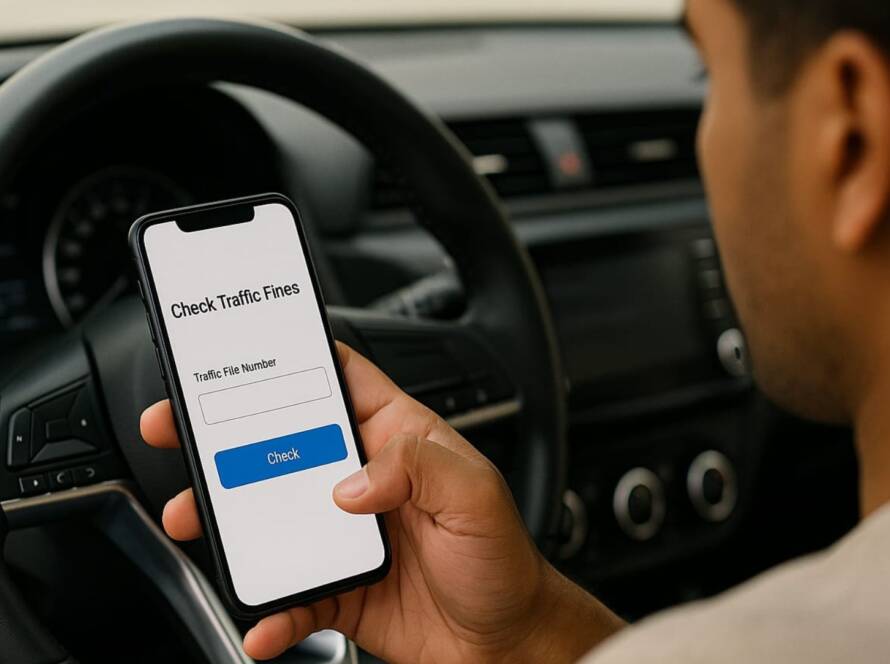


Passing the RTA driving test is less about luck and more about a repeatable process. In Dubai, the transport authority (RTA) tests whether you are able to drive safely along with other cars, rules, and are able to maintain consistency under pressure. Therefore, the best way to pass your driving is to prepare like the way the examiner thinks: safety first, then smooth driving.
This guide covers the RTA test from RTA theory test to road test complete with checklists, mistakes to watch out for and some tips you can use on your next date. If you’ve heard that the driving test is strict, you are correct – but then you get used to it when you have the right skills.
Table of Contents
What Is the RTA Driving Test in Dubai (RTA Test Overview)?
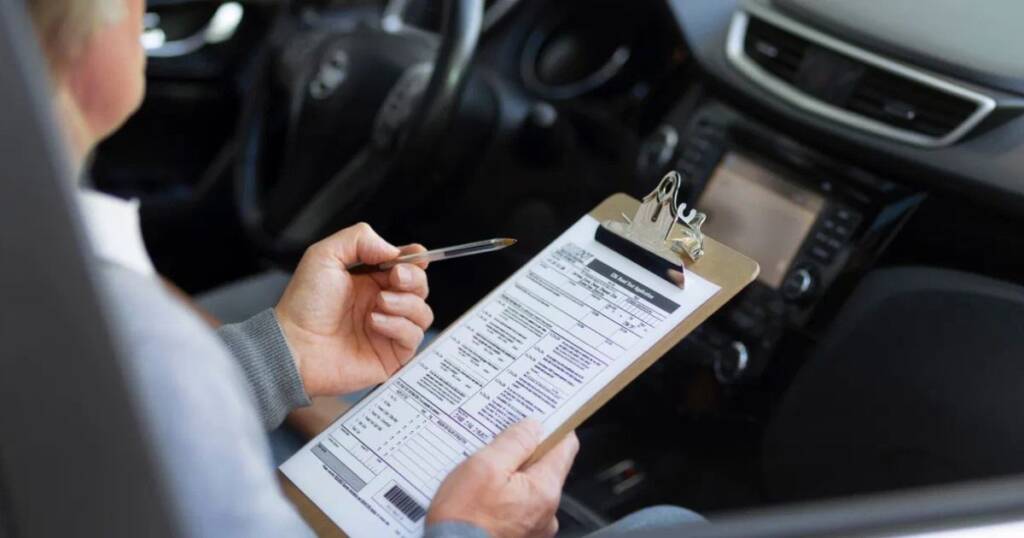
The RTA driving test is Dubai’s official assessment for issuing a driving license (also written as driving licence) as part of the UAE driving licence system. The examiner assesses the manner in which you observe, signal, postion the car and how you are reacting to real traffic. In other words, they would like to see proof that you are able to share the road with other vehicles in a safe manner.
Due to the fact that Dubai Driving involves fast multi-lane roads, frequent lane changing and busy roundabout traffic, the RTA emphasizes a lot on awareness and decision-making. Even having good steering, failing to do a head check or rolling through stop lines can fail the test quickly.
RTA Driving Requirements What You Need Before You Register And Pay
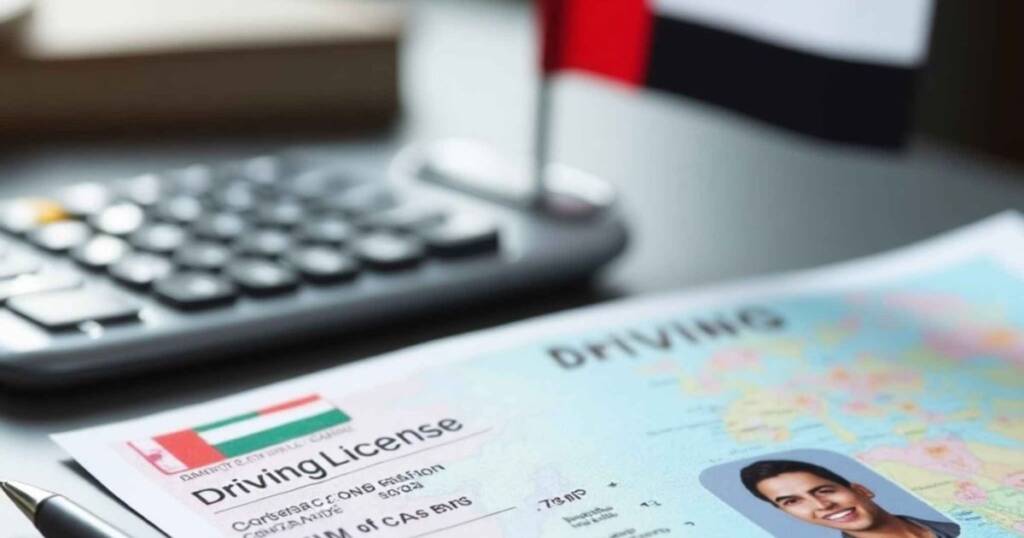
Before you register for your RTA driving file and book tests, make sure that you know if you are eligible or not for your driving institute. You’ll usually need the result of an eye test, Emirates ID and the proper file data in the system. Also, keep digital copies as you may need them in the RTA smart apps.
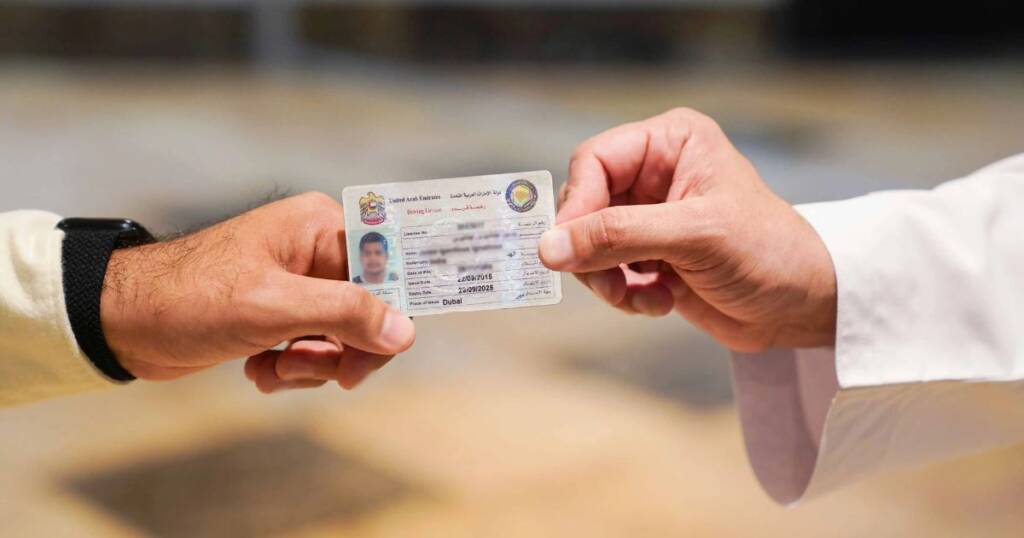
On test day, take with you what your institute wants, plus any booking paper that may have the logo of Dubai government on the header. As policies can change check requirements on the official site of RTA: https://www.rta.ae. You will additionally have to pay for attempts, retesting and occasionally additional training.
RTA Driving Test Format: Theory, Parking, and Road Test
Most candidates pass through three stages:
- RTA theory test (Rules, hazard awareness, road signs)
- Parking tests (yard skills, reversing control, positioning)
- Final RTA Road test (real traffic driving)
Although your school is in charge of the scheduling, you still control your outcome by preparing separately for each stage. For example, in theory there is the need for memorization and practice questions, and in the road test there is the need to be calm, not speed up, and signal correctly.
How to Book Your RTA Test (including RTA Smart Apps)
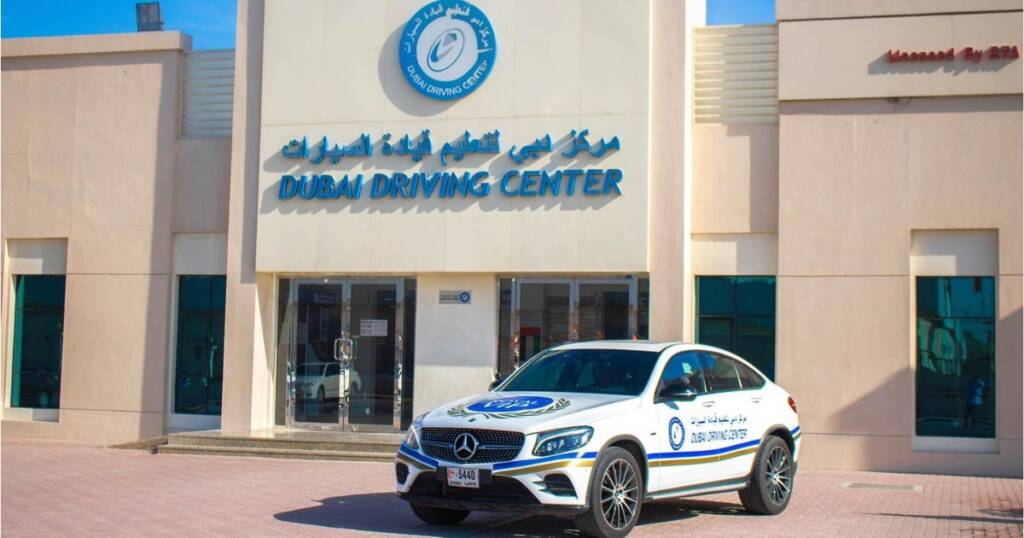
Your institute typically does the booking on your behalf but you can still view bookings and updates on RTA smart apps. Book early as peak times fill-up quickly and you will have to wait weeks for your next date to arrive.
Step by step booking checklist
- Confirm that you do required lessons and internal assessments
- Check for file data integrity (name, category, file number)
- Decide on the type of test (theory, parking, road test)
- Select your date and time
- Receive the fees, save confirmation
RTA Theory Test What to Study (Rules, Signs and Answers)
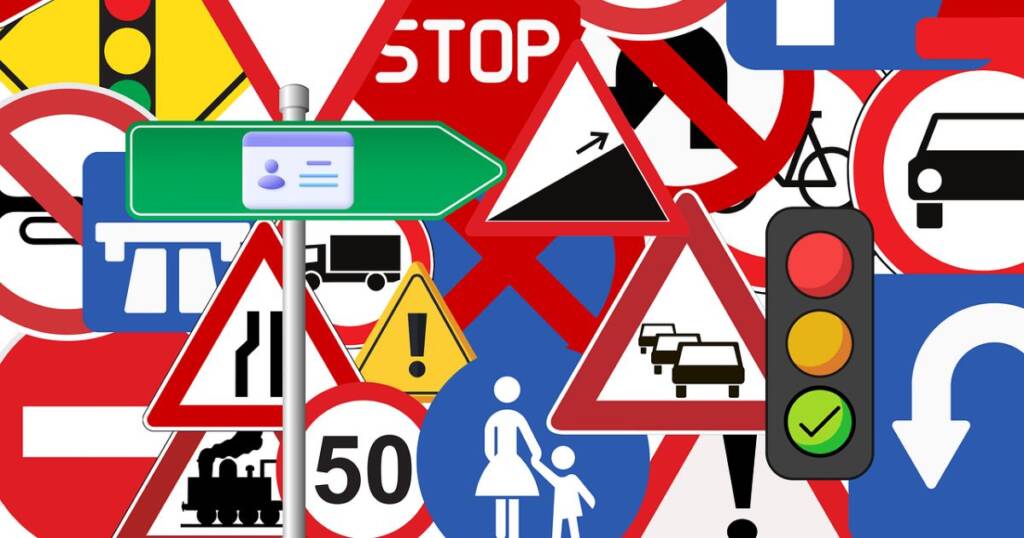
The RTA theory test checks the level of understanding of road rules, safe following distance and hazard perception. Treat the road signs like sign language: they are a way of communicating, without words, priority, warnings and legal obligations. As a result, you have to act swiftly and accurately.
Focus your study on:
- Right of way and merging behaviour in Dubai
- Roundabout entry/exit rules as well as lane choice
- Speed management, safe space, and stopping distance
- Lane discipline (specifically the right lane)
- Common patterns of answers in mock quizzes (why one answer is correct)
For official reference, please review the following official materials from RTA and road safety sources recommended by WHO – road safety resources: https://www.who.int/teams/social-determinants-of-health/safety-and-mobility/road-safety.
RTA Road Test: What Occurs During the Driving Test?
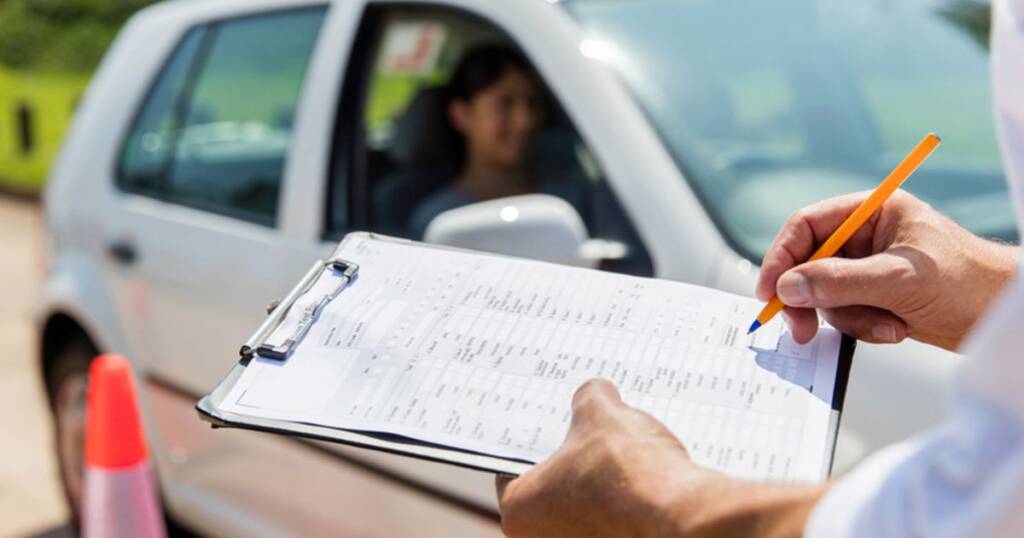
During the road test, the examiner observes how you start, merge, turn and change direction around the vehicles. They also look at whether you react responsibly to sudden changes, such as a pedestrian close to a curb or a door opening close to parked cars. So, always be a driver whose job it is to drive as if something unexpected will happen.
You’ll probably do normal city driving, as well as important maneuvers:
- Moving off safely, controlling the speed and smooth brakes
- Changing lanes with complete observation
- Handling a roundabout properly
- Possibly a u turn when it is legal and safe
- Stopping properly at stop lines and yielding the right-of-way
Pre-Driving: Driving Position, Mirrors, Seatbelts, and Car Lights
Start strong as the first 60 seconds sets the tone. Adjust your seats and seatbelts, then adjust mirrors to allow a clear view of lanes and blind spots. Keep your head up straight and relaxed, do not lean forward as you lose control and become less comfortable.
Quick in-car setup checklist (engine not started)
- Distance of driving position (distance to pedals, back, and headrest)
- Put hands in proper position on the steering wheel
- Adjust rear and side visibility mirrors
- Confirm position of the gear: neutral mode (or Park for automatic)
- Check car lights, if visibility decreases or pass through shaded areas
- For manual: prepare clutch control and smooth bit point
Core Skills the RTA Examiner Wants: Controlling, Signalling and Seeing
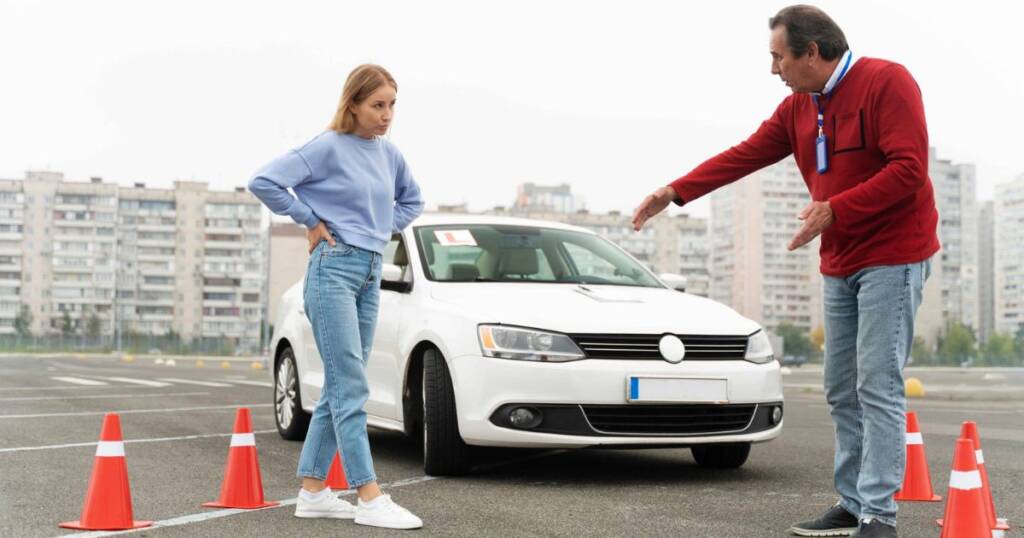
Examiners reward driving that is consistent and appears to be safe and planned. Therefore, control over speed is more important, and every action should be predictable to other vehicles. Smooth steering and soft braking indicate that you are in control of the risk, not reacting late.
Key skills to demonstrate:
- Stay in a stable position in your lane (no drifting)
- Use indicators and correct signals in the early stages, then make a commitment
- Do a visible head check before lane changes and merges
- Keep a sufficient space behind other cars and and beside motorbikes
- Manage speed – when it is needed to go slow, then flow with traffic
Changing Lanes Dubai The Safe Sequence To Pass

Dubai roads require a confident change of lanes, but the RTA is harsh on a rushed lane change. Use routine-you should use an established routine, and make it obvious. In addition, avoid changing lanes in the vicinity of intersections as well as when road markings prohibit you from doing so.
Lane change sequence (memorize this)
- Check mirrors
- Signal with indicators at an early date
- Do a head check (blind spot)
- Coordinating your movements without a quickening of speed
- Re-centre in lane and cancelling the signal
Roundabout Rules and U Turn Tips for the RTA Driving Test
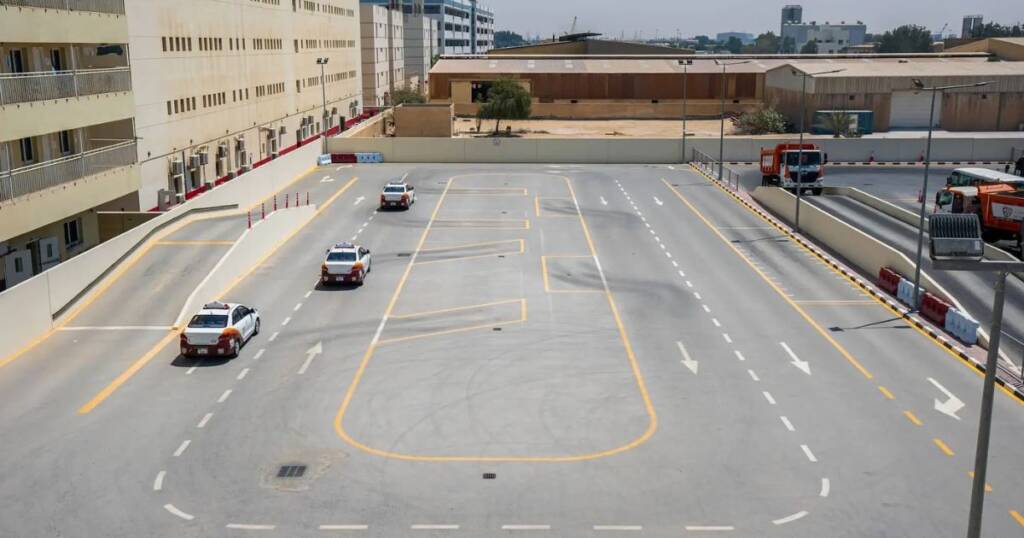
Roundabouts are an exercise in which many learners fail because they require the combination of lane choice, yielding and signalling. Before you enter, you select the appropriate lane for your direction, then commit without swerving at the last moment. Also, yield appropriately and do not stop in the middle of the circle unless forced by traffic.
For a u turn, always only do it the way you are allowed and when you can do it without forcing braking from other vehicles. Slow down early, look in the mirrors, signal, head check, turn with steady steering. If you have missed it, keep going safely and follow directions rather than panicking.
Parking and Reversing: A Checklist for Reversing Around Parked Cars
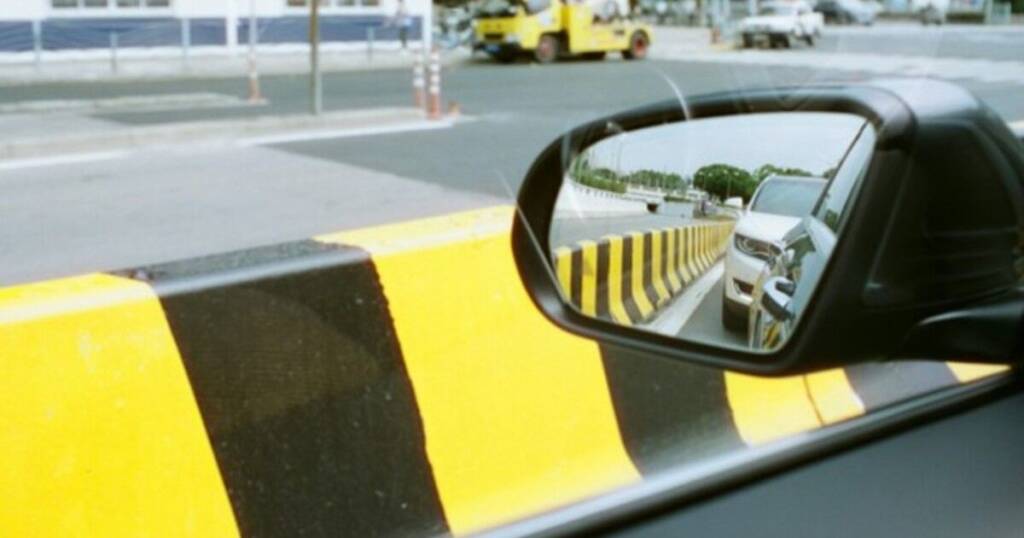
Parking assesses precision and observation, not speed. When you reverse around other parked cars, be sure to look around all the time and drive slowly. Keep your foot poised on the brake in case of a person, in order to stop the car immediately.
Reversing check list (use every time)
- Mirror scan: left, right, rear
- Signal if you are affecting traffic
- Head check both sides before moving
- Backing up slowly using smooth inputs of the steering wheel
- Wear safe distance from the curb and parked vehicles
- Stop right and completely within lines
Common Reasons People Fail the RTA Driving Test (and Fixes)
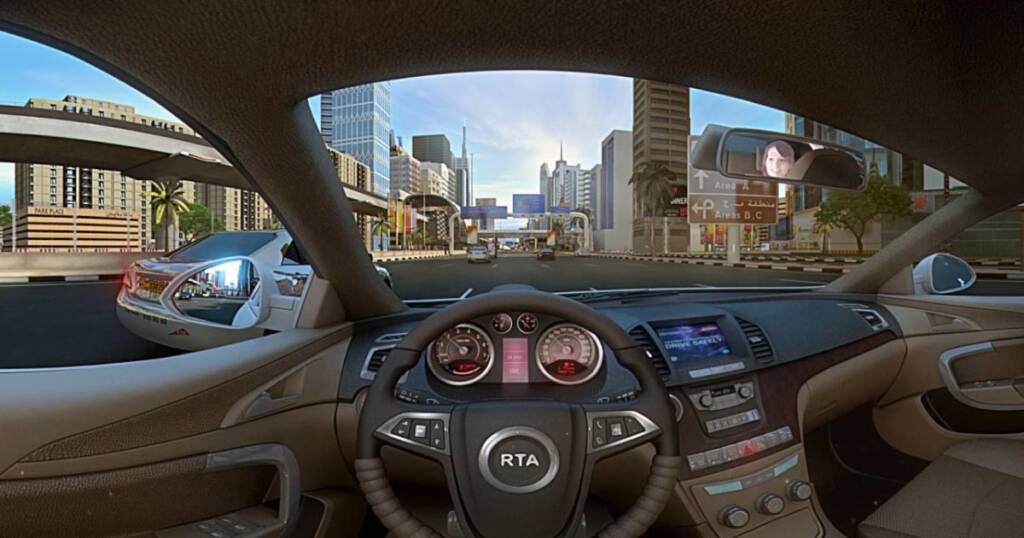
Small mistakes tend to add up and you need clean habits. The table below illustrates common failures with ease of fixing the simplest practice.
| Common issue in the RTA road test | Why it fails you | Simple fix during practice |
|---|---|---|
| No head check | Unsafe blind spot risk | “Mirror, signal, head check” out loud |
| Late Indicators | Confuses other vehicles | Signal earlier than you think you should |
| Rolling at stop lines | Breaks rules + risk | Full stop and then only move when it’s clear |
| Poor lane discipline | Creates side-swipe risk | Focus eyes far ahead, hold stable lane| |
| Harsh brakes | Poor planning displayed | Lift off early, brake progressively |
Test Day Tips: Arrive Early, be Confident, and Drive Clean
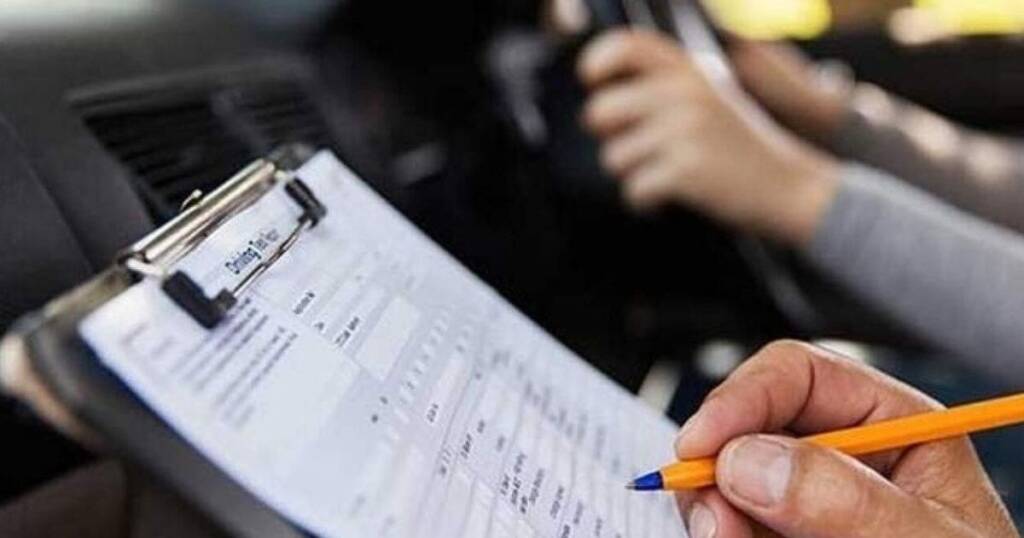
Arrive early so that you have time to get your breath, go over your checklist, and get your nerves under control. Then, listen carefully, do not guess instructions. If you don’t understand, make one polite request to find out because mistakes from lack of clarity are easy to make.
A useful mindset: road safety trainers have often repeated, “Safe, legal, and predictable beats fast and fancy.” That goes along with what the RTA rewards – calm driving, consistence of observation, and rules.
Conclusion: Final RTA Driving Test Checklist to Pass First Try
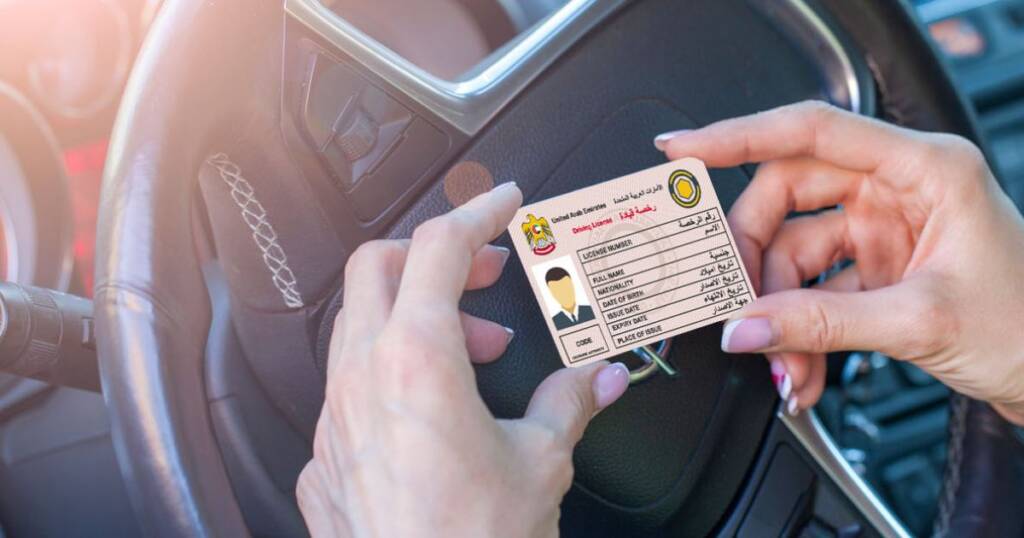
To prepare for the RTA driving test, build repeatable habits: correct driving position, mirrors for a clear view, early indicators, and a visible head check every time you change lanes. During your RTA road test, maintain your position, obey stop lines and be able to maintain space around parked cars and vehicles in motion.
If you want to pass on the first try, treat your last week like a plan: go over the answer for the theory every day, do specific practice problems on roundabouts and lane changes, and don’t get nervous on test day. With the right training, you can secure your Dubai driving license and be able to confidently drive throughout the roads of Dubai.